
DTH Travel: What’s Not on the Menu in Asia?
01-Sep-2026
Category: News Stories
When we think about culinary experiences in travel, we often gravitate towards Michelin stars, famous restaurants and dishes everyone has heard of.
Cambodia: Eat Your Way Through the Northeast
And there’s nothing wrong with that. But for travellers who have already tasted Asia’s culinary classics, the next great food experience may be less about what is on the plate and more about the story behind it.
What grows here? Who has been making it for generations? How does the landscape shape the cuisine? And, most importantly, how can travellers experience that story for themselves?
That is where our local expertise comes in.
Across Japan, Sri Lanka and Cambodia, we’ve developed experiences that take travellers beyond the restaurant and closer to the people, ingredients and traditions that make each destination unique.
Here are three ways we can help your travellers taste Asia differently.
Japan: Go Beyond the Golden Route
For many travellers, Japanese cuisine begins with sushi, ramen and perhaps a very serious conversation about the correct way to eat them.
But there is another side of Japan waiting beyond the classic Tokyo–Kyoto–Osaka itinerary.
In Hokkaido, travellers can discover Ainu cuisine and the deep relationship between Japan’s Indigenous Ainu people and the natural environment. Traditional ingredients such as salmon, wild plants, berries and roots tell a story that goes far beyond the food itself.
At Upopoy National Ainu Museum and Park in Shiraoi, food can become an entry point into Ainu culture and traditions. In Lake Akan, travellers can combine culinary discovery with crafts, storytelling and encounters at the Ainu Kotan.
For clients who want to deepen their experience of Japan’s classic Golden Route, this is exactly the kind of addition that can give their journey a fuller picture of the country.
Think of Hokkaido as an extension to the classic Japan journey: a chance to trade familiar sushi counters for Indigenous culture, seasonal ingredients and a much closer connection with nature.
Our Japan team can help build these experiences into a wider tailor-made programme, whether as a standalone Hokkaido extension or as part of a longer journey through Japan.
For travel advisors: This is a also strong fit for repeat Japan travellers looking for Indigenous culture, nature, gastronomy and experiences they are unlikely to have encountered on their first visit.
Sri Lanka: Follow the Ingredient
Sri Lankan cuisine is often introduced through curry. But what if, instead of simply eating the dish, your clients could follow it back to its source?
That is the idea behind our Culinary Delights programme.
Across Sri Lanka, ingredients such as coconut, palmyrah and kithul are deeply connected to local life. In the north, palmyrah is particularly important to the culinary identity and culture of Jaffna. Kithul, meanwhile, is traditionally transformed into treacle and jaggery used in Sri Lankan sweets and desserts.
Our 14-day Culinary Delights roundtrip takes this idea further, combining Colombo, Jaffna, Thirappane, Kandy, Nuwara Eliya, Yala and Galle into one journey through Sri Lanka’s food, culture, heritage, wildlife and landscapes.
From Colombo’s street food to the culinary revival of Jaffna, travellers get to experience how dramatically Sri Lankan cuisine can change from one region to another.
Rather than adding a cooking class as a standalone activity, we build culinary discovery into the wider journey, connecting local food with the communities, landscapes and traditions that produced it.
And that makes the experience particularly interesting for travellers. Now they can discover the stories and traditions behind these underrated cuisine.
For travel advisors: Ideal for food-loving travellers who want to combine gastronomy with culture, wildlife and the diversity of Sri Lanka’s regions.
Cambodia: Eat Your Way Through the Northeast
In Cambodia’s Northeast, food is closely connected to the landscape.
In Ratanakiri and Mondulkiri, indigenous communities continue to draw on the surrounding forests for ingredients and traditional knowledge. Here, a culinary experience can begin well before the meal itself: with a walk through the landscape, learning about local ingredients and the ways communities have traditionally used them.
And this is where Cambodia becomes particularly interesting for travellers. These culinary encounters can be incorporated into our 7-day Northeast Cambodia journey, travelling from Siem Reap through Stung Treng, Ratanakiri, Mondulkiri and Kratie to Phnom Penh.
Along the way, travellers move far beyond Cambodia’s familiar temple circuit, combining indigenous culture and local life with nature, wildlife and the flavours of the Northeast.
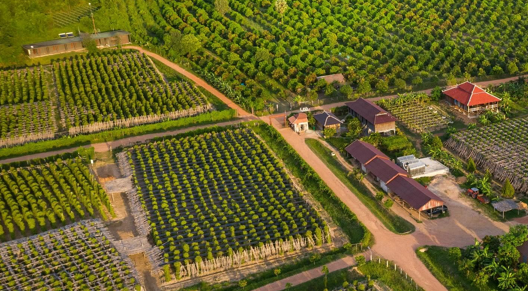
And for clients with a particular interest in Cambodian pepper, we can take the story further with our partnership with La Plantation, a luxury pepper plantation in Kampot.
Here, travellers can discover how Kampot pepper is cultivated, processed and graded before tasting the differences for themselves. It’s not just a pepper farm visit. It’s a chance to understand why one of Cambodia’s most famous ingredients has become so prized.
For travel advisors: A compelling option for repeat Cambodia travellers who have already explored Angkor and want to venture deeper into the country, combining food with indigenous culture, nature and local communities.
The DTH Difference
Anyone can book a table. We connect the plate to the place.
For nearly 70 years, our local teams have been exploring the destinations we call home. That means we know that some of Asia’s most memorable culinary experiences happen far beyond the famous restaurants.
They happen in a village kitchen. On a plantation. In a forest. At a local market. With a producer who has been working with the same ingredient for generations. Our job is to turn those stories into experiences your travellers can actually experience.
Whether it is extending a classic Japan itinerary into Hokkaido, weaving culinary discovery through our Culinary Delights programme in Sri Lanka, or taking clients beyond Angkor on our Northeast Cambodia journey, we help you turn local knowledge into journeys that feel personal, meaningful and difficult to replicate.
Because sometimes, the best way to discover a destination is to taste the story behind it.
Ready to give your clients something new to savour? Connect with Mr David Carlaw at david.carlaw@dth.travel or discover more at DTH.Travel.