
Mauritius conservation programmes
01-Apr-2026
Category: News Stories
Mauritius is often cited as a global success story in conservation, having transformed from a landscape where many endemic species were on the brink of extinction to one where restoration and protection efforts are actively bringing nature back to life.
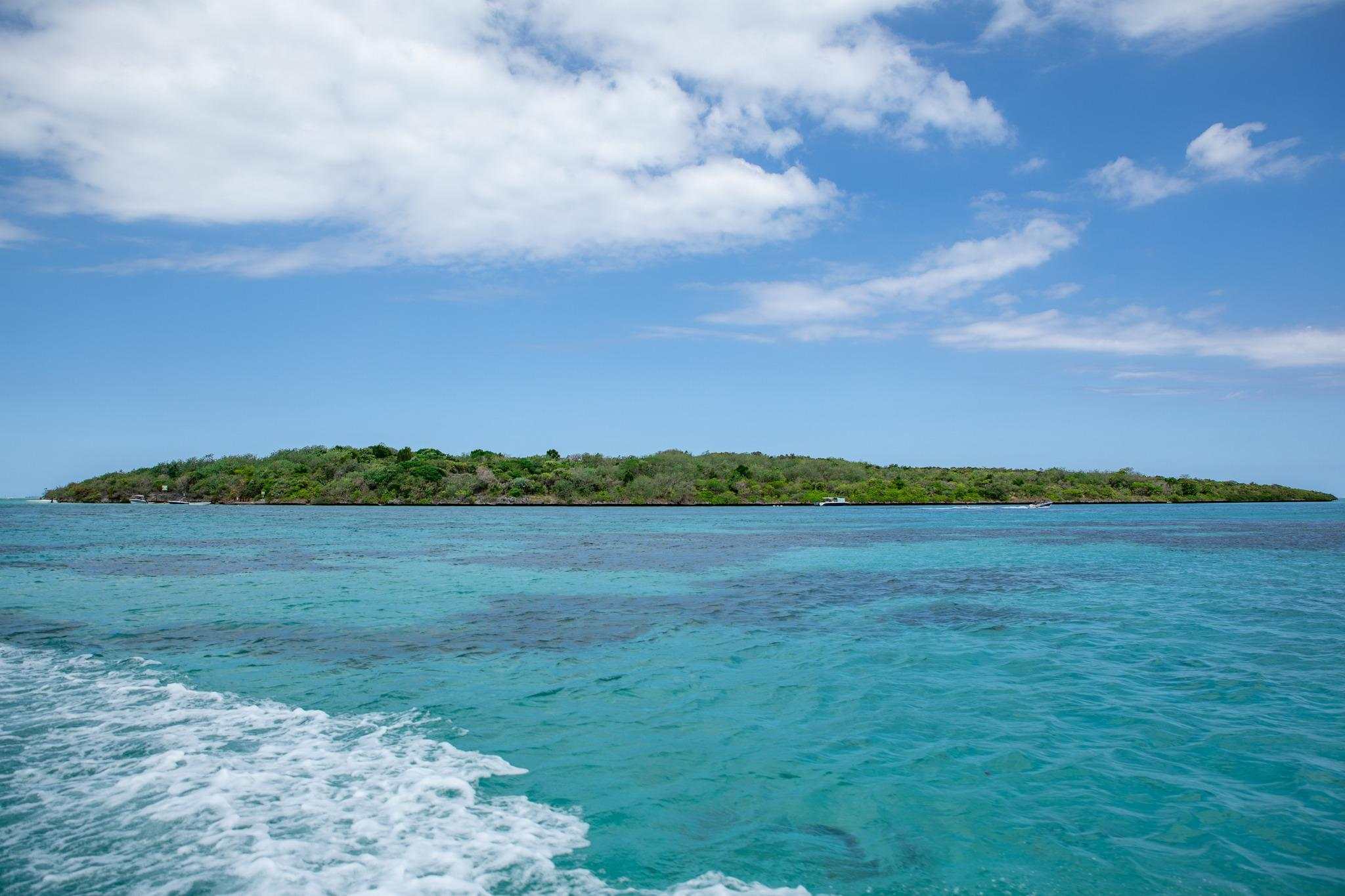
A flagship example of this is Île aux Aigrettes, a small coral island off the south-east coast that has been carefully restored by the Mauritian Wildlife Foundation.
Once heavily degraded, the island is now a sanctuary for some of Mauritius rarest species. Visitors can encounter the iconic giant Aldabra tortoises, the once critically endangered Pink Pigeon, and the Mauritius Kestrel, all symbols of successful conservation programs.
Beyond Île aux Aigrettes, similar efforts can be seen in places like the Ebony Forest Reserve and the Black River Gorges National Park, where reforestation, invasive species control, and wildlife monitoring are ongoing.
In line with Mauritius inspiring conservation journey, Coquille Bonheur has developed its own sustainable initiative through the restoration of a dedicated green space located at Pelican Avenue, Camp Créoles. This project invites guests to take part by planting a tree themselves, creating a personal and lasting connection with the island and focuses on the planting of endemic species sourced from responsibly managed nurseries in the Black River region, contributing to the regeneration of native ecosystems while enhancing the local environment for surrounding communities.
At Coquille Bonheur, we integrate these conservation initiatives into our experiences by working closely with local partners and guides who are deeply connected to these projects. This allows our guests not only to visit these sites, but to truly understand the importance of preserving Mauritius unique biodiversity, making each encounter both enriching and impactful.
A flagship example of this is Île aux Aigrettes, a small coral island off the south-east coast that has been carefully restored by the Mauritian Wildlife Foundation.
Once heavily degraded, the island is now a sanctuary for some of Mauritius rarest species. Visitors can encounter the iconic giant Aldabra tortoises, the once critically endangered Pink Pigeon, and the Mauritius Kestrel, all symbols of successful conservation programs.
Beyond Île aux Aigrettes, similar efforts can be seen in places like the Ebony Forest Reserve and the Black River Gorges National Park, where reforestation, invasive species control, and wildlife monitoring are ongoing.
In line with Mauritius inspiring conservation journey, Coquille Bonheur has developed its own sustainable initiative through the restoration of a dedicated green space located at Pelican Avenue, Camp Créoles. This project invites guests to take part by planting a tree themselves, creating a personal and lasting connection with the island and focuses on the planting of endemic species sourced from responsibly managed nurseries in the Black River region, contributing to the regeneration of native ecosystems while enhancing the local environment for surrounding communities.
At Coquille Bonheur, we integrate these conservation initiatives into our experiences by working closely with local partners and guides who are deeply connected to these projects. This allows our guests not only to visit these sites, but to truly understand the importance of preserving Mauritius unique biodiversity, making each encounter both enriching and impactful.